

When Science Gets Complicated, Jurors Need to See It: The Case for Demonstratives in Mass Torts
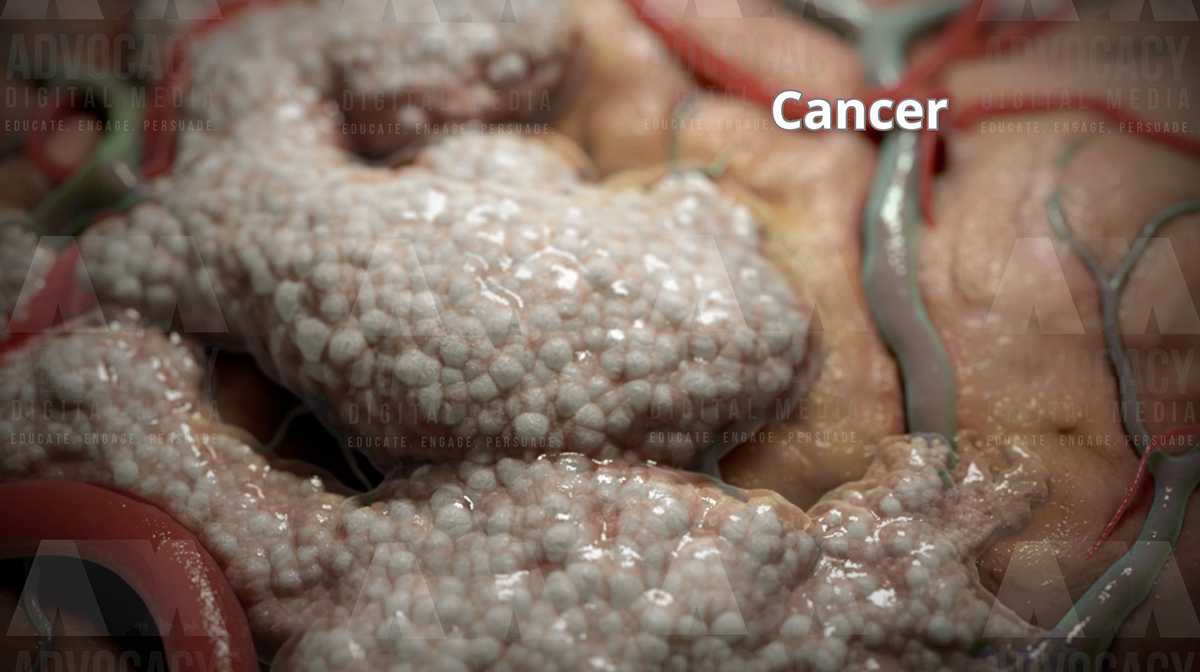
A recent trial involving exposure to a toxic substance asked jurors to remember how a solvent damaged cells. Fewer than 20% could describe the process, but nearly everybody could recall an animation tracing how the chemical damaged DNA after being inhaled. The disparity exemplifies an important fact of mass tort cases as well as toxic tort cases, namely, that in cases in which a complex issue of causation is at issue, visuals are mandatory.
Why Jurors in Complex Tort Cases Require Graphics
As far as mass tort cases, whether they involve toxic substances, products used in the home, or damaged medical instruments, jurors must grapple with scientific-technical data that experts themselves study for several years to understand. From cognitive science, it is known that words overload working memory, but pictures activate dual-process learning. This significantly enhances understanding of scientific data, as they understand what they see, but they won’t understand what they aren’t able to imagine.
——–
“Our jury had to understand how a chemical worked inside the body at a molecular and cellular level. ADM worked with our lawyers and experts tirelessly to get every detail right. Ensuring the jury understood the medicine and science was essential for proving fault and causation. The final product was masterful. Our client received a $363 million verdict in a toxic tort case.”
Patrick Salvi II, Salvi, Schostok & Pritchard, P.C.
——–
How Visuals Help to Clarify Evidence Behind Outcomes
Evidence-related issues common to cases in a mass tort demonstrate an obvious visual solution:
- Exposure Pathways
The animations depict just how contaminants migrate – through airborne particulates, groundwater, dermal absorption. This makes otherwise intangible processes less susceptible to defense strategies of confusion.
- Disease Progression
For example, demonstratives of exposure to pathology in cases of mesothelioma, leukemia, endocrine disruption, or other latent diseases may include timelines of causation from exposure to disease development.
- Drug and Chemical Mechanisms of Action
Pharmaceutical mass tort cases involve how a drug harmed a plaintiff. Visuals help to demonstrate receptor interactions, metabolic pathways, and unintended drug reactions better than a testimonial statement can.
- Defective Medical Devices
In cases involving devices, such as mesh, hips, surgical instruments, insulin pumps, pictures may be about all that is possible to present to jurors about:
-
- How it is supposed to work
- Where the failure occurred
- How that failure led to tissue damage or systemic injury
- Why alternative explanations do not fit the biomechanics.
Cutaways, detail views, and failure animations allow complex concepts in engineering and biomedicine to be reframed as compelling stories.
- The Causation Advantage
The defense flourishes in creating confusion – through hypothetical injuries, biomechanical impossibilities, and unclear timelines. Graphics work to eliminate this by creating a clear cause-and-effect manner in which jurors could reconstruct an answer to the question in a jury room. For cases in which multiple people have been injured, whether by a pharmaceutical drug, defective product, etc., having strong visuals is critical.
The Bottom Line
For each upcoming case, whether it’s chemical, pharmaceutical, or device-related, ask this question: Can a jury really hear your causation message without seeing it? If not, then demonstratives aren’t enhancements; they’re a critical part of having a winning strategy in complex cases in today’s courtroom environment.